
Tower Bridge History
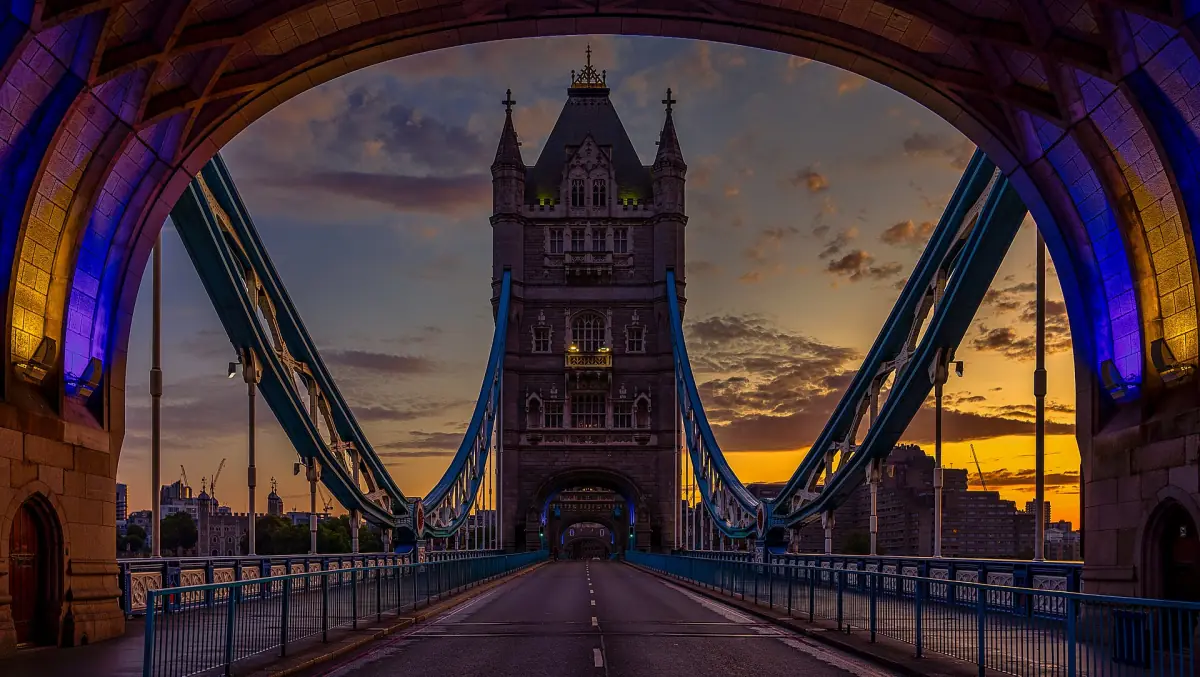
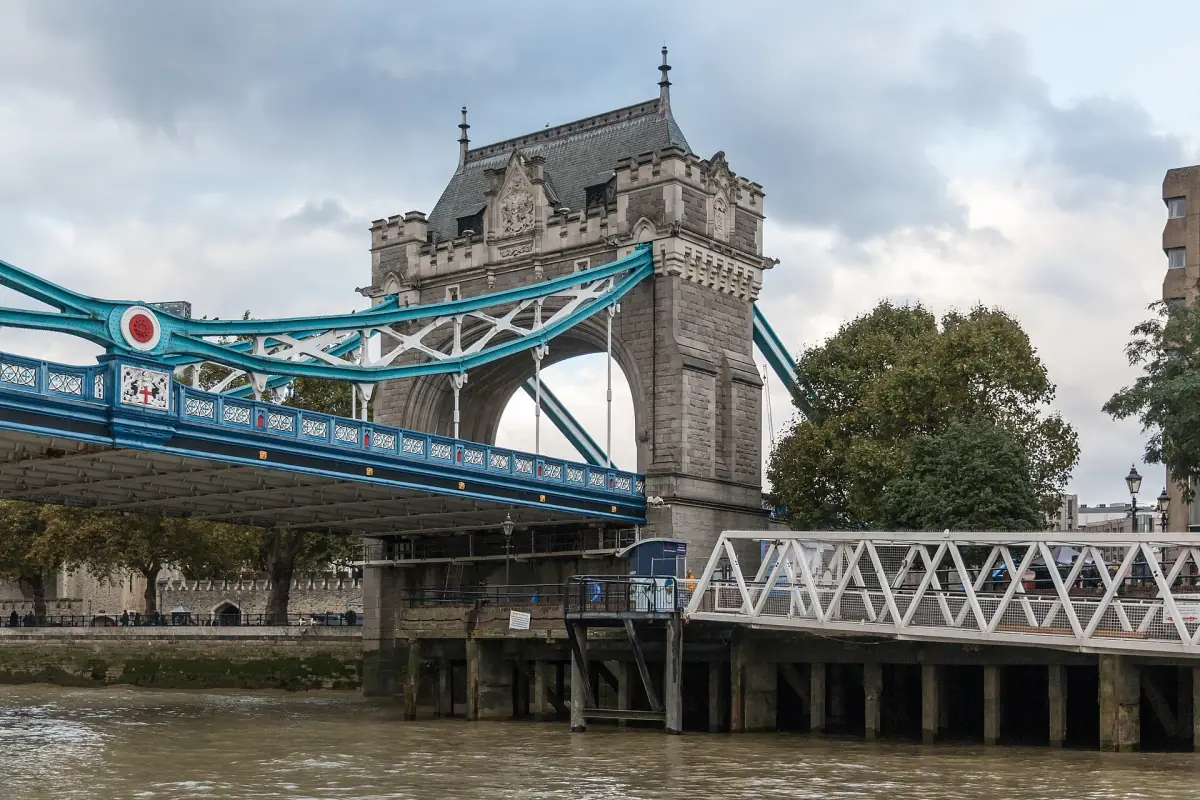
Tower Bridge history begins in Victorian London, rather than in the medieval period associated with the nearby Tower of London. The moving bridge was designed to connect the banks while allowing ships to pass. Its appearance relates to the neighbouring Tower, but the two landmarks have separate histories and separate entrances.
Our picks: London walks
Choose the longer landmarks walk for a broad route or the Southbank walk for a smaller group. The Tower Hill walk offers another guided outing.
Hand-picked tours, booked through Viator and GetYourGuide. Prices are indicative starting prices in British pounds (as of October 2026). Tap a tour for live availability and the current price in your currency.
Southbank sights in a small group
- Local Guide
- 15+ Top sights
- Small Tour Group Size
An underground journey is paid separately; attraction entry is not included.
Check availability →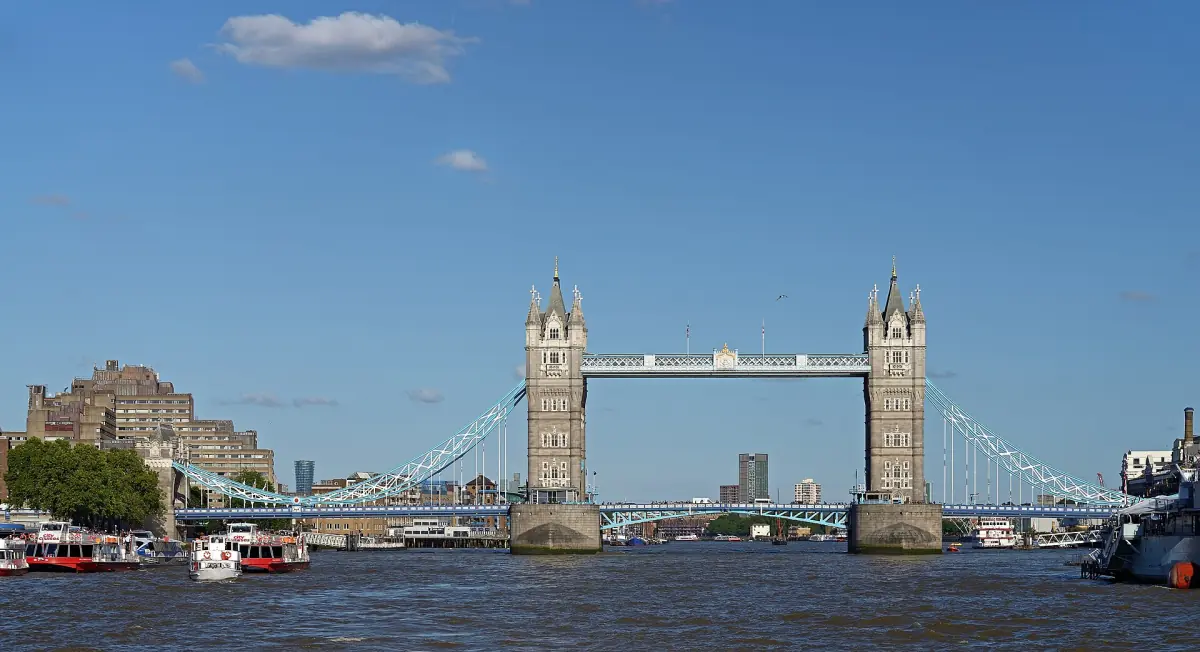
London landmarks walking tour
- Guided walking tour
- 30+ London sights
- Photo opportunities
The route includes Tower Bridge and Westminster landmarks; admission to interiors is not included.
Check availability →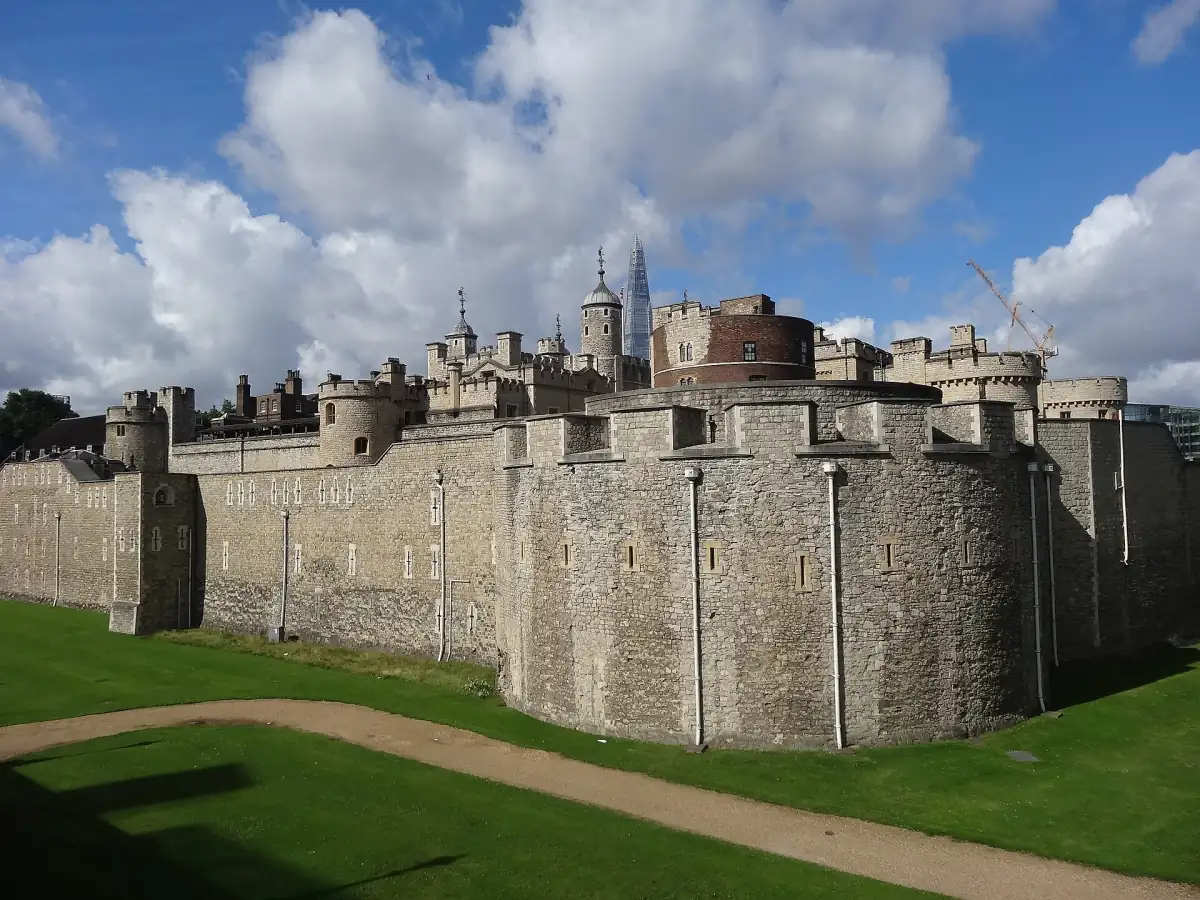
Guided walk from Tower Hill
- Expert Guide
A guided outing from Tower Hill; attraction admission is not specified.
Check availability →Visit options
Compare the details and choose the option that suits your plans.
Construction and opening
Sir Horace Jones and engineer Sir John Wolfe Barry designed the bridge. Work began on 22 April 1886. After Jones died, Wolfe Barry continued the project, with Henry Marc Brunel as assistant engineer and Edward Cruttwell as resident engineer. Construction took around eight years. The bridge combines a steel structure with a stone exterior, a subject explored in the architecture guide.
The ceremonial opening took place on 30 June 1894 with the Prince of Wales and Princess Alexandra. The bridge opened to pedestrians on 9 July, and day-and-night operation began on 29 July. These dates describe different steps in its opening, not three versions of the same ceremony.
Walkways and machinery
The upper walkways closed in 1910 after low use and reopened in 1982 as part of the visitor attraction. Steam-powered pumps supplied the hydraulic system until 1976. Today oil and electricity power the hydraulic opening system. The historic equipment can be seen in the Engine Rooms on the interior route.
Historical walks around the Tower and bridge
Walks in this area place the bridge among older buildings and the riverfront. A medieval history walk starts at Tower Hill; check its itinerary and admissions separately. For the castle itself, see the Tower of London guide. Its history is distinct from the Victorian bridge alongside it.
Planning the visit
Decide first whether you want to cross at road level, enter the bridge or combine it with another attraction. These are different experiences and the booking details matter. The free pedestrian crossing gives you a view of the structure and connects the two banks. An interior ticket takes you through the towers and upper walkways and on to the historic Engine Rooms. The Tower of London is a separate historic site on the north bank. Check which admissions are included before choosing an itinerary.
The bridge visit begins at the North Tower. The route continues across both upper walkways, down through the South Tower and along the Blue Line to the Engine Rooms. Part of the route to the rooms is outdoors, so bring a layer suitable for the weather. Allow time to enjoy the views in both directions and to look at the machinery rather than treating the crossing as the whole visit. A useful guide to the route is our glass floor and walkways page.
The regular bridge opening hours are 09:30 to 18:00, with last entry at 17:00. It closes from 24 to 26 December and opens at 10:00 on 1 January. A bridge lift may delay entry. Check the date on your booking and the current opening hours before setting out, especially if you are combining visits. A scheduled lift is for a vessel and is not part of an admission ticket.
There are lifts in both towers, but they can be unavailable at short notice. Check their status if step-free access matters to your visit. Bags must fit the bridge's size limit and suitcases and wheeled bags are not allowed. For a fuller route, look at getting to the bridge and consider which side of the river you will be on before your next booking.
Making the most of the riverfront
Start by identifying the entrance or meeting point for each part of your day. A walk across the bridge, a timed interior visit and a tour beginning elsewhere can all fit into one itinerary, but each needs its own place in the plan. Keep your booking details accessible and check the date, time and language before leaving. If you are travelling with children, remember that visitors under 18 must be accompanied by an adult inside the bridge.
For a visit that includes several places, allow room between reservations for the walk and for any delays at the bridge. The moving roadway serves river traffic, so a lift can interrupt a crossing or delay entry. You can check the lift calendar when planning, but the timing of a vessel does not promise a view from inside. Choose a safe position on the riverbank and follow local instructions if you stop to watch.
Photography is allowed inside Tower Bridge without a tripod. Commercial photography and filming should be arranged in advance. Check the rules at any other attraction separately. Look at the seasonal planning guide for the balance between daylight and outdoor sections, and at the area guide if you are choosing which side of the river to stay on.
Frequently asked questions
Is the street crossing free?
Yes. Entry to the towers and upper walkways is a separate visit.
Does a ticket include a bridge lift?
Bridge lifts serve vessels; a ticket does not guarantee that one occurs during your visit.
Is this the bridge operator?
This is an independent visitor guide. Check the current conditions when booking.